






How your Day Master is set
BaZi turns the year, month, day and hour of birth into pairs of Heavenly Stems and Earthly Branches. The stem of the day pillar is your Day Master, so everyone born on the same day shares it. We convert birth time to true solar time from the longitude of your birthplace; births after 23:00 count as the late Zi hour of the same day, while births just after midnight in far-western places may fall on the previous solar day. The full chart checks this precisely.
What it tells you, and what it doesn't
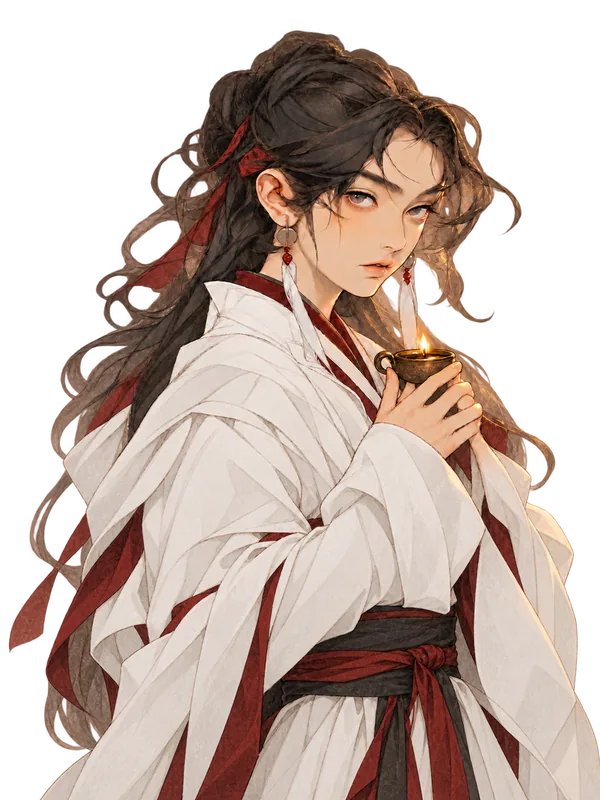
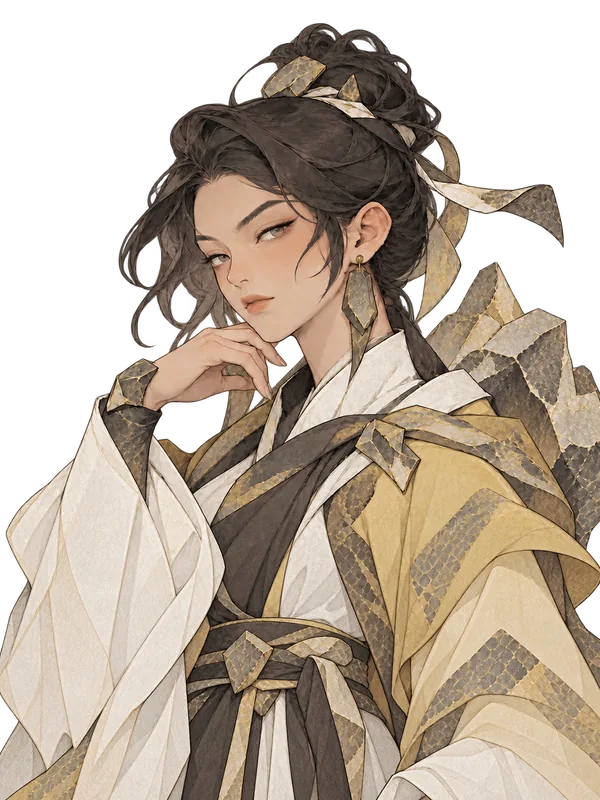
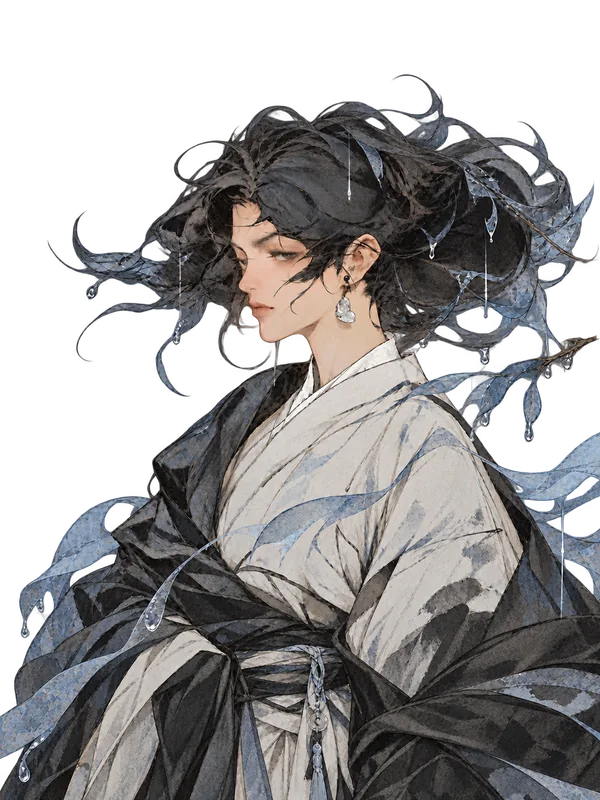
Each of the ten stems carries an image: Jia the tall tree, Yi the vine, Bing the sun, Ding the candle, Wu the mountain, Ji the garden soil, Geng the sword, Xin the jewel, Ren the river, Gui the rain. These images describe a basic temperament. But the same Day Master born in a different season, surrounded by different characters, can read very differently, so it is a starting point rather than a verdict. The most concise classical portrait of the ten stems is the Di Tian Sui’s chapter on the Heavenly Stems, quoted on every Day Master page.